Why Are My Solar Panels Not Producing Enough Power? Common Causes & How to Fix Them
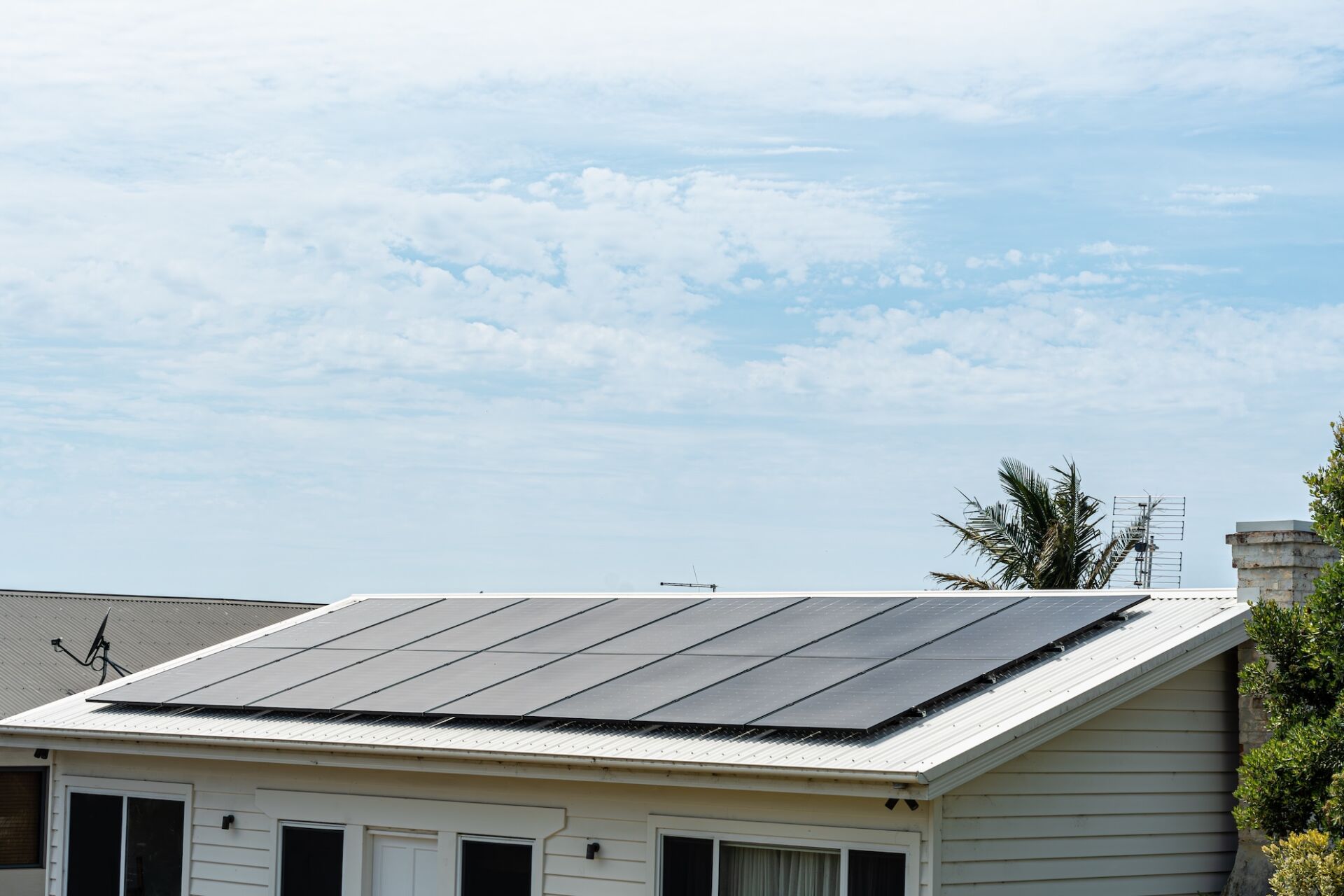
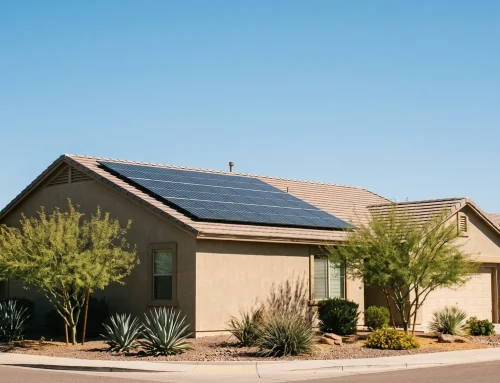
Rooftop solar panels on a house with a clear view of the sky
Solar panels are designed to be reliable and low maintenance, but even a well-built system can experience drops in production over time. If your solar panels are still working but not producing as much power as expected, you’re not alone.
Reduced solar output is a common concern we hear from homeowners. Below, we’ll walk through why your solar panels may not be producing enough power, what you can check yourself, and when it’s time to call a professional.
Are Your Solar Panels Underproducing or Not Working at All?
Before troubleshooting, it’s important to clarify the issue:
- Underproducing: Your system is on, but producing less energy than normal or less than you expected.
- Not producing at all: Your system shows zero production.
Solar Panel Production Drop: A Homeowner Troubleshooting Checklist
If your solar panels aren’t producing at their usual levels, start here. These are the most common causes of reduced production we see.
1. Dirt or Dust-Obstructed Solar Panels
Arizona’s dust storms, pollen, and dry climate can reduce output if allowed to accumulate. Even a thin layer of dirt can block sunlight and lower production.
What to check:
- Visible dust or grime on panels
- Recent haboobs or long dry stretches without rain
What helps:
- Light buildup may rinse off when rainfall arrives
- Heavy buildup may require professional cleaning
Avoid abrasive tools, soap, or pressure washers. Improper cleaning can damage panels and void warranties.
2. New Shade or Obstructions
Solar systems are designed to maximize efficiency and output based on sun exposure at the time of installation. Over time, things can change.
Common culprits:
- Tree growth
- New structures or roof additions
- Satellite dishes or vents casting shadows
Even partial shading can cause a noticeable drop in system output.
What helps:
- Trim overgrown trees or branches where possible
- Have a solar professional assess whether shading is affecting string or panel-level performance
3. Seasonal & Weather-Related Production Changes
Your solar system will not produce the same amount of energy every month, and that’s normal.
In Arizona:
- Shorter winter days = lower production
- Extreme summer heat reduces panel efficiency
- Monsoon cloud cover temporarily lowers output
If you’re comparing production month-to-month instead of year-over-year, the drop may be expected when compared to years previous.
4. Monitoring or Communication Issues
Sometimes the problem isn’t production, it’s an issue with sensors and monitoring software.
What to check:
- Is your monitoring system online?
- Are you seeing gaps or flat lines in data?
- Have you changed internet providers recently?
A disconnected monitor can make it look like your solar panels aren’t producing as much power when they actually are.
5. Inverter or Equipment Problems
Inverters work harder than any other component in your system and typically have shorter lifespans than panels.
Signs of inverter-related production loss:
- Error messages or warning lights
- Inconsistent daily output
- Sudden drops not tied to weather or shade
Most inverters are warrantied for 10–15 years, compared to 25+ years for panels, so failures or degradation are not unusual.
If you suspect inverter issues, it’s best to call a professional to avoid extended downtime.
What If My Solar Panels Aren’t Producing Any Power at All?
If your system shows zero production, the issue is usually more urgent and often tied to:
- Inverter failure
- Electrical disconnects
- Utility-side shutdowns
- Tripped breakers or safety devices
We cover this scenario in more detail in our dedicated guide: Solar Panels Not Working at All: Causes & What to Do.
Why Arizona Homeowners Trust SouthFace Solar & Electric
SouthFace Solar & Electric has been serving Arizona homeowners since 2008. As a locally owned company with decades of combined solar experience, we provide:
- Professional solar troubleshooting and diagnostics
- Inverter repair and replacement
- Solar panel cleaning and maintenance
- Service for systems we did not originally install
We believe solar ownership doesn’t end at installation. If something doesn’t look right, we’re here to help, long after your system is turned on.
FAQs: Solar Panels Not Producing Enough Power
Why are my solar panels producing less power than last year?
Common reasons include seasonal differences, dirt buildup, increased shading, or aging inverter equipment. A year-over-year comparison of solar production is the best way to evaluate performance.
Do solar panels lose efficiency over time?
Yes, but very slowly. Most quality panels degrade around 0.25%–0.5% per year. Sudden drops are usually caused by external issues, not panel aging.
Should my solar system produce the same amount every month?
No. Production naturally fluctuates throughout the year due to daylight hours, weather, and temperature.
Can one bad panel reduce my entire system’s output?
In some system designs, yes. Depending on inverter and panel configuration, a single underperforming panel can impact overall production.
When should I call for solar service?
If you notice sustained production drops, monitoring errors, or unexplained changes lasting more than a few weeks, professional troubleshooting is recommended.
Schedule Solar Troubleshooting & Repair in Arizona
If your solar panels aren’t producing full power, SouthFace Solar & Electric can help identify the cause and recommend the right solution.